
Brazilian cuisine is a vibrant tapestry of history that reflects the country’s rich cultural diversity. By blending indigenous techniques, African flavors, and Portuguese traditions, Brazil has created a culinary identity that is both bold and incredibly comforting. Consequently, exploring the local food is now an essential part of any travel itinerary. In fact, many food lovers consider the country a premier global destination for unique gastronomic experiences.
gastronomic identity.
If you are planning your next adventure, this selection of Gastronomy and Culture will help you navigate the most authentic flavors. From the savory meats of the South to the vibrant spices of the North, there is something for every palate.
Table of Contents
Toggle1. Feijoada: Brazil’s Heart and Soul
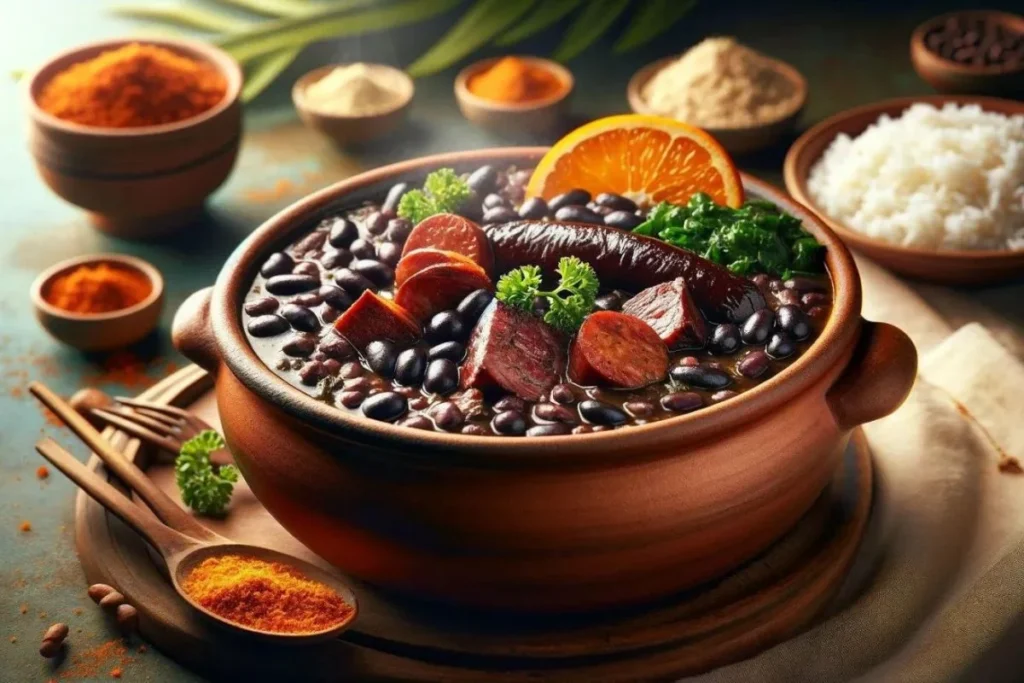
Widely considered the national dish of Brazil, Feijoada is far more than just a hearty meal. Indeed, it is a profound social ritual that brings families together every week. This dense stew combines black beans with a variety of salted pork and beef cuts. Traditionally, chefs slow-cook the ingredients in clay pots to achieve a rich and velvety consistency that is famous worldwide.
How to Experience an Authentic Feijoada
To enjoy it like a local, you must include the traditional side dishes. For instance, fluffy white rice, crunchy farofa, and sautéed kale are essential components of the plate. Furthermore, many people add fresh orange slices to balance the richness of the meats. If you are visiting the Marvelous City, make sure to try a version by following our 5-Day Rio de Janeiro Itinerary: What Not to Miss.
2. Pão de Queijo: Irresistible Brazilian Cheese Bread
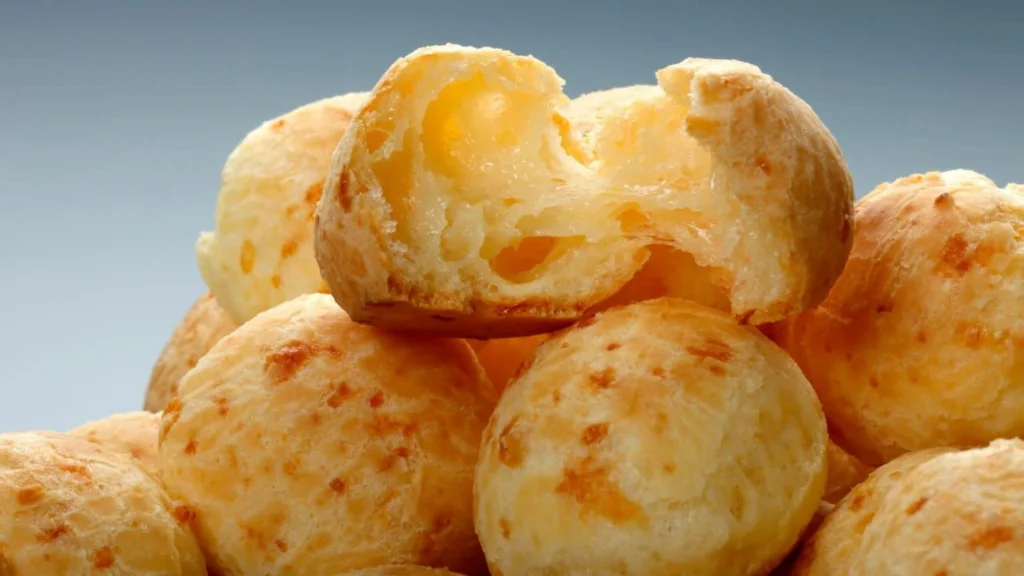
Pão de queijo is arguably the most beloved snack in the country. Currently, it transcends regional borders and has become a daily staple for millions of people. These delightful cheese rolls are crafted from tapioca flour and a specific cured cheese from the state of Minas Gerais. Therefore, they are naturally gluten-free and perfect for a quick breakfast or an afternoon snack.
The Tradition of Minas Gerais
The secret to its unique texture lies in the polvilho, also known as tapioca starch. Because of this ingredient, the bread has a golden, crispy exterior and a soft, airy interior. This delicacy is also the cornerstone of Rural Tourism in Minas Gerais
3. Churrasco: Brazilian BBQ at Its Best
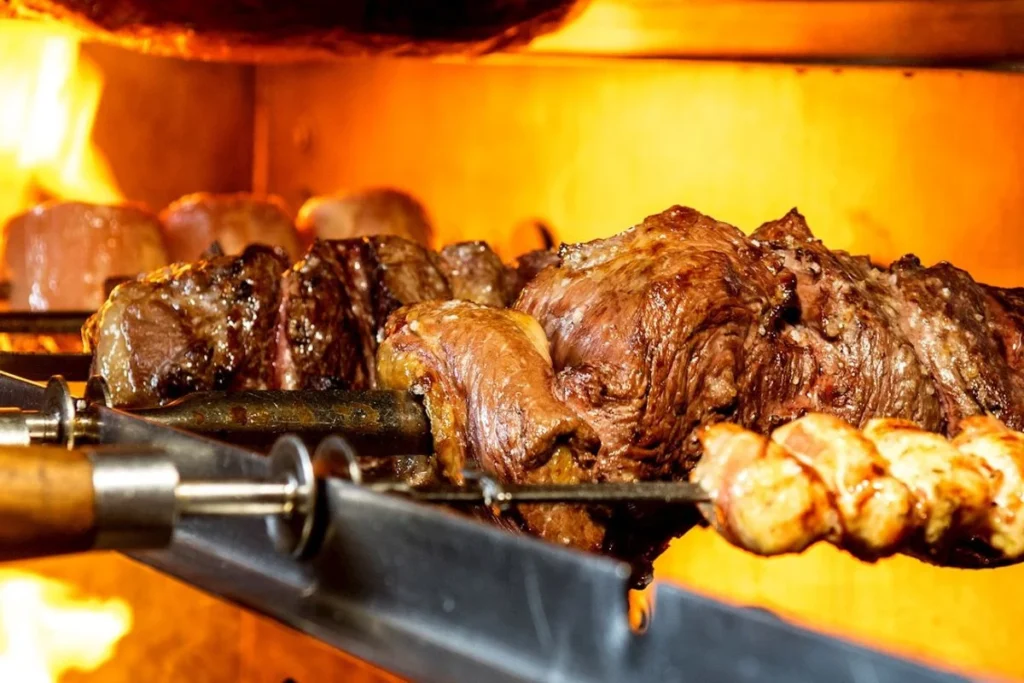
No culinary exploration of South America is complete without experiencing a genuine Churrasco. This tradition involves high-quality cuts of meat, most notably the picanha. Usually, the meat is seasoned simply with coarse rock salt and grilled over an open flame. As a result, the natural juices and robust flavors are perfectly preserved without the need for complex sauces or seasonings.
The Southern Gaucho Heritage
The culture of barbecue is deeply rooted in the history of the country’s southern regions and has spread to become a national passion. Today, the most famous way to enjoy this meal is through a rodízio service, where waiters serve continuous cuts of meat directly at your table. This festive atmosphere is often a major highlight during Popular Festivals in Brazil, where food and celebration always go hand in hand.
4. Moqueca: A Flavorful Seafood Stew
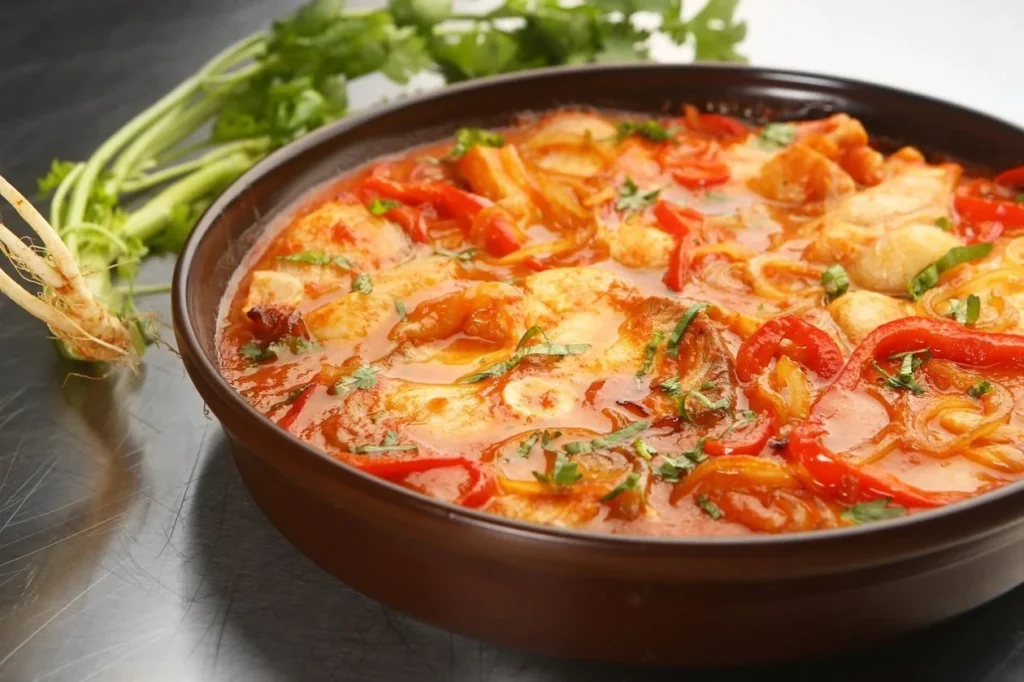
For seafood enthusiasts, Moqueca is an essential dish that encapsulates the tropical essence of the coast. This aromatic stew is made with fresh fish or shrimp and slow-cooked in a traditional clay pot. In addition to the seafood, it features onions, garlic, tomatoes, and cilantro. However, the use of rich coconut milk and dendê (red palm oil) is what truly sets the northeastern version apart from other stews.
A Fusion of Cultures
Moqueca is a masterclass in cultural fusion because it successfully blends indigenous cooking methods with African ingredients. While there are regional rivalries between different states, the Bahian version remains particularly iconic worldwide. To find the best spots to try this dish, check out our Guide to Authentic Bahian Food in Salvador.
5. Acarajé: The Soul of Bahia’s Street Food
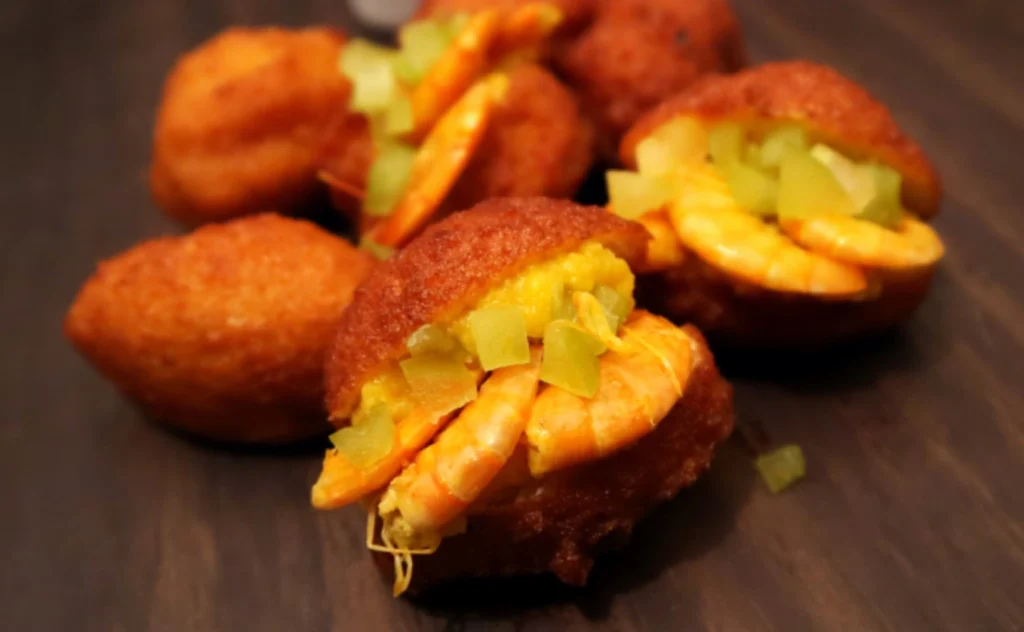
If you want to taste Afro-Brazilian heritage in its purest form, you must try Acarajé. This dish consists of a peeled black-eyed pea ball that is deep-fried in palm oil until crispy. Afterward, it is split open and filled with spicy pastes like vatapá or dried shrimp. Currently, the women who prepare this dish are recognized by UNESCO’s Intangible Cultural Heritage for their historical importance.
Beyond the Flavor
Eating Acarajé on a street corner in Salvador is a true rite of passage for any tourist. Moreover, the combination of the crispy dough and the spicy filling is unforgettable for the palate.
6. Coxinha: The Most Popular Savory Snack
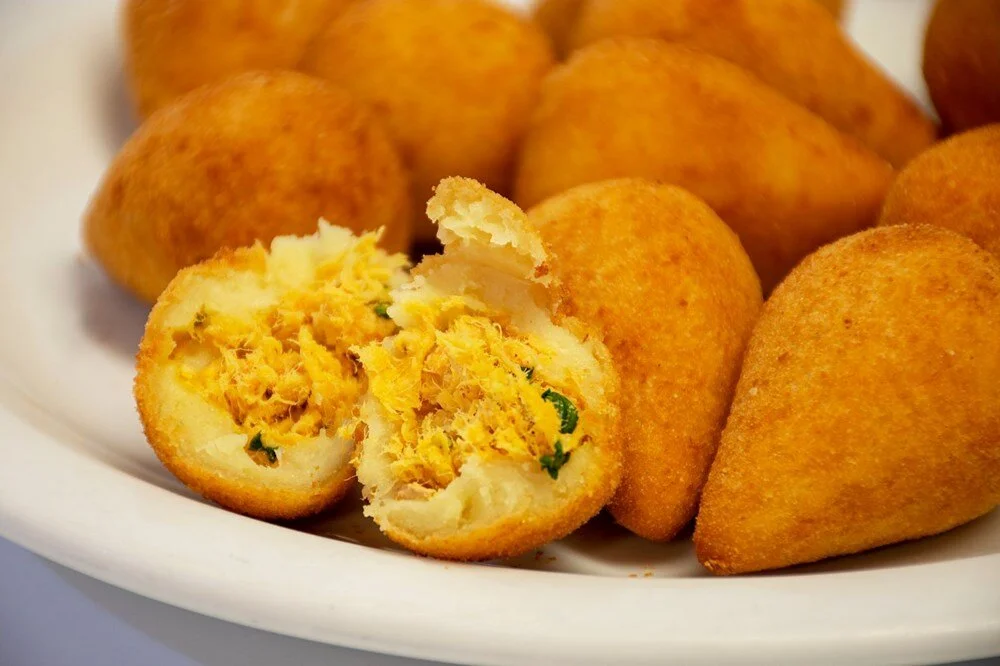
The Coxinha is perhaps the most iconic street food in Brazil. It is a teardrop-shaped snack made of a soft dough filled with seasoned shredded chicken, which is then breaded and fried to perfection. Because of its incredible popularity and unique shape, it frequently appears on international lists of the best snacks in the world.
Where to Find the Best
You can find coxinhas in almost every bakery and “lanchonete” across the country. However, for a more traditional experience, we recommend visiting the historical Municipal Markets in Brazil.
7. Pastel: The Crispy King of the Markets
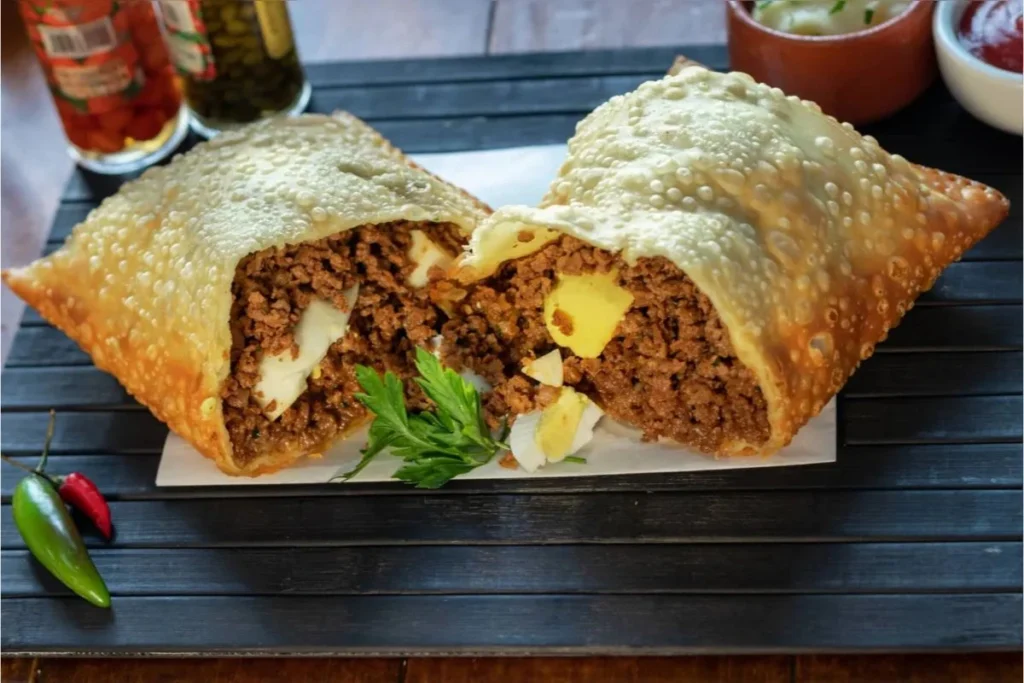
The Pastel is the quintessential snack of Brazilian open-air street markets. It consists of a thin, crispy pastry filled with various ingredients, such as seasoned ground beef, melted cheese, or hearts of palm. Furthermore, the experience of eating a pastel is almost always accompanied by a cold glass of caldo de cana (sugarcane juice), creating a classic combination that appeals to all ages.
A Street Food Tradition
The versatility of the pastel allows for both sweet and savory fillings, making it an indispensable item in popular Brazilian gastronomy. If you are visiting local markets, do not miss the chance to try the seafood versions that are common in coastal regions.
8. Brigadeiro: The Sweet National Passion
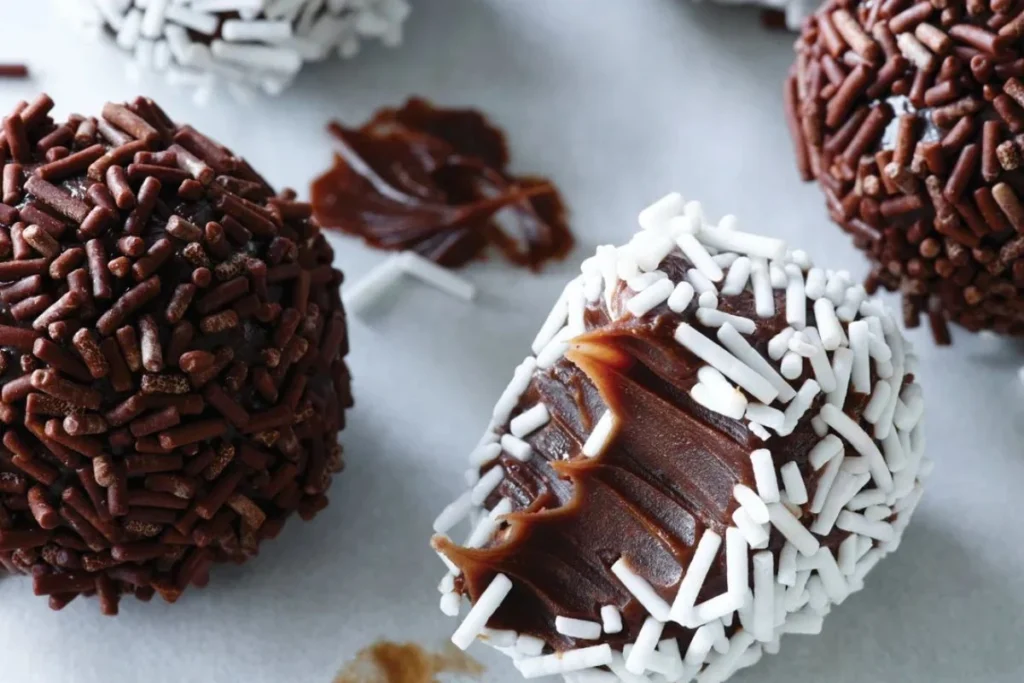
No list of traditional dishes would be complete without the Brigadeiro. This beloved chocolate treat is made with condensed milk, cocoa powder, and butter, then rolled into small balls covered in chocolate sprinkles. Although it started as a simple party sweet, it has now gained “gourmet” status with countless variations across the country.
Conclusion: A World of Flavors Await
Brazil’s culinary culture is vast and welcoming. Each dish tells a story of resilience and creativity. Whether you’re observing jaguars in the Brazilian Pantanal or simply relaxing on a beach, the local cuisine will be one of the highlights of your trip.
Have you tried any of these traditional Brazilian dishes? Tell us which one is your favorite in the comments below!