
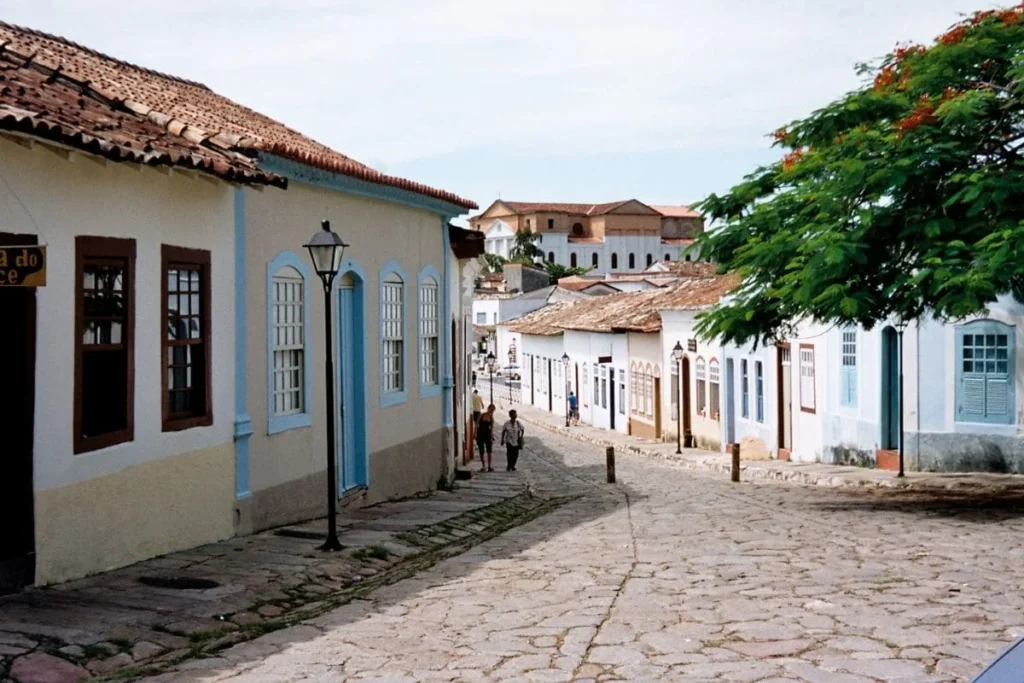
Goiás, a state nestled in the heart of Brazil, is a treasure trove waiting to be discovered. For travelers in search of a blend of history, culture, and architecture, the historic cities of Goiás are an absolute must-visit. These towns are steeped in the legacy of the 18th-century colonial era. Consequently, they allow you to step back in time, offering a rich experience of Brazil’s golden age.
.
This was an era dominated by the gold rush and the rise of baroque art. Join us as we dive into the allure of Goiás and reveal why these cities belong at the top of your travel bucket list. To explore similar historical sites, check out our guide to Rural Tourism in Minas Gerais.
.

Table of Contents
Toggle1. Goiás Velho: A UNESCO World Heritage Site
Goiás Velho, or simply Goiás City, is undoubtedly the crown jewel of the state’s historical tourism. This charming town served as the state capital until 1937 and boasts some of the most beautifully preserved colonial architecture in South America.
In fact, this preservation earned it a rightful place as a UNESCO World Heritage Site. Founded in the early 18th century by the explorer Bartolomeu Bueno da Silva, the city flourished during the gold rush. Today, its silhouette remains largely unchanged, offering an intimate glimpse into this golden era.
Architectural and Cultural Highlights
Meander through narrow cobblestone streets where colonial homes with vibrant windows stand proudly. For instance, the iconic Church of Our Lady of Carmo is a stunning example of baroque design, featuring intricate woodwork and a sense of serenity that defines the town.
Furthermore, a visit to the Casa de Cora Coralina Museum is an absolute must. Dedicated to one of Brazil’s most beloved poets, the museum is housed in her former residence by the Rio Vermelho. It is perfect for those keen to delve into the literary and domestic history of this timeless city.
Goiás Velho also pulses with life through its vibrant festivals. The Festa do Divino, for example, is a colorful celebration of faith and folklore. Similarly, Semana Santa (Holy Week) features the world-famous Procissão do Fogaréu, where torches light up the midnight streets in a ritual that transports you back in time. You can see how these compare to other events in our guide to Popular Festivals in Brazil.
2. Pirenópolis: Where History Meets Nature
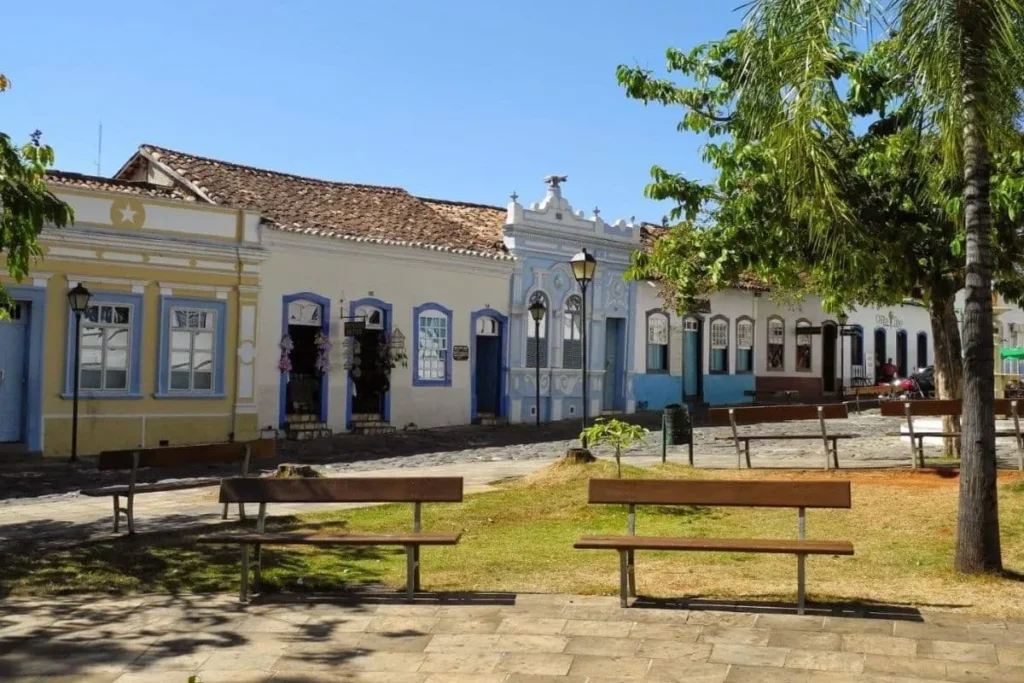
Imagine a town nestled between rolling mountains and lush forests. Welcome to Pirenópolis, a picturesque destination that evolved from a mining outpost into a lively cultural hub. Therefore, you will find the perfect fusion of history, art, and nature. This makes it another essential stop when visiting the historic cities of Goiás, especially for those coming from the nearby capital, Brasília.
Historic Churches and Artisanal Marketsture
The Church of Our Lady of the Rosary is the oldest monument in the state. Though it suffered a fire in 2002, its meticulous restoration has preserved its status as a masterpiece of colonial architecture. It features whitewashed walls and an interior that reflects the modest yet elegant baroque style of the region.
In addition to its churches, Pirenópolis is alive with color thanks to its artisanal markets. The town is famous for its silver jewelry and hand-woven fabrics. These markets, located near the main square, offer the perfect mementos for travelers who value authentic craftsmanship.
Natural Attractions and Unique Festivals
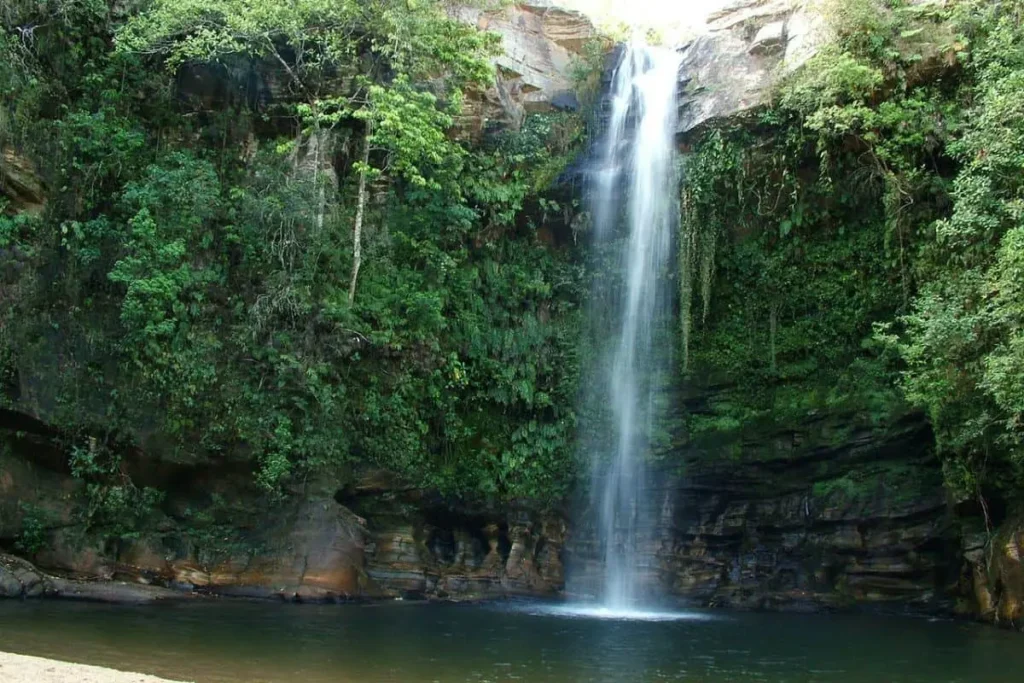
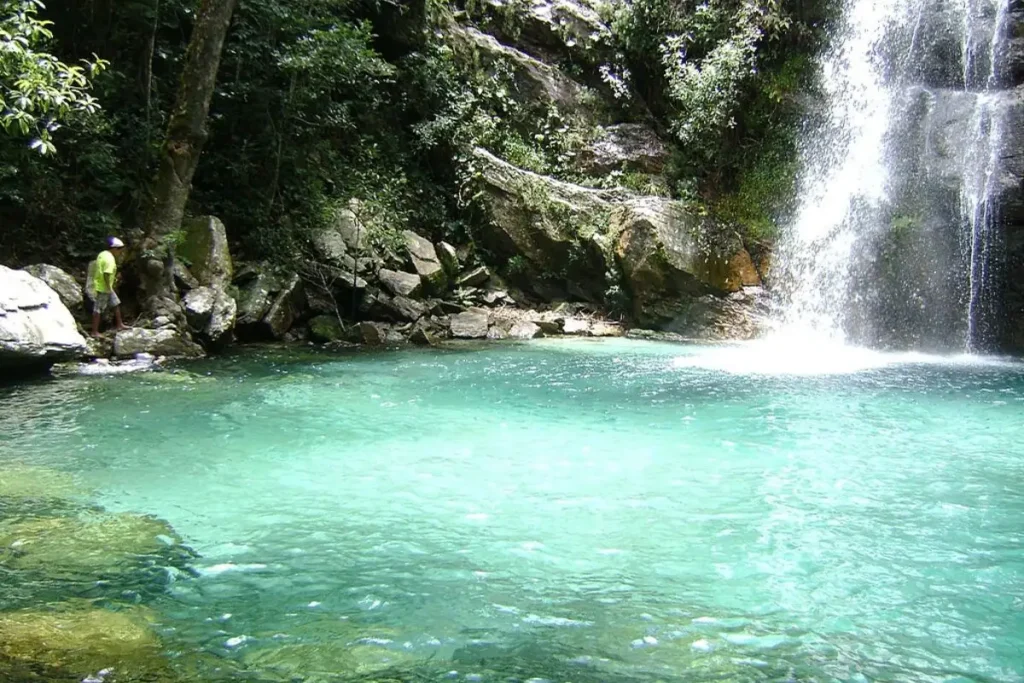
While its historical charm is undeniable, Pirenópolis is equally famous for its stunning waterfalls. The region sits atop a massive crystalline aquifer. Venture out to the nearby Abade Falls or the Lazaro Waterfall for a refreshing swim in emerald waters.
Moreover, don’t miss the Cavalhadas. Held 45 days after Easter, this exhilarating festival features horseback riders reenacting medieval battles between Moors and Christians. It is widely considered one of the most significant pieces of intangible heritage in Brazil.
3. Practical Tips for Your Adventure
To ensure your journey is as smooth as it is unforgettable, here are some practical tips for navigating the heart of Brazil:
- Best Time to Visit: The dry season (May to September) is ideal. The sky is incredibly blue, and the weather is perfect for exploring both the city centers and the nature trails.
- Getting Around: While there are buses, renting a car is the most efficient way to travel between Goiás Velho and Pirenópolis. The roads offer scenic views of the Cerrado (Brazilian savanna).
- Cuisine to Try: Regional food is a highlight. Don’t miss the empadão goiano, a robust savory pie. Another local specialty is pequi rice, which uses a native fruit with a unique, pungent flavor essential to the region’s identity.
For updated local events and attractions, you can check the Official Goiás Tourism Portal.
4. Extending Your Trip: Hidden Gems
While Goiás Velho and Pirenópolis are the main attractions, the state offers even more for the intrepid traveler:
- Cavalcante: Located further north in the Chapada dos Veadeiros, it is known for the Kalunga community—Brazil’s largest Afro-Brazilian quilombola group—and the breathtaking Santa Bárbara Waterfall.
- Corumbá de Goiás: A smaller, quieter historic town near Pirenópolis, famous for the Salto do Corumbá, a majestic 70-meter high waterfall.
Conclusion: Plan Your Trip to Goiás Today!
The historic cities of Goiás are more than just destinations; they are time capsules of culture, faith, and art. Whether you are strolling through cobblestone streets or exploring hidden waterfalls in the savanna, Goiás offers a unique experience that stays with you long after you leave.
Have you ever explored Brazil’s colonial history? Share your thoughts or ask a question in the comments below!