
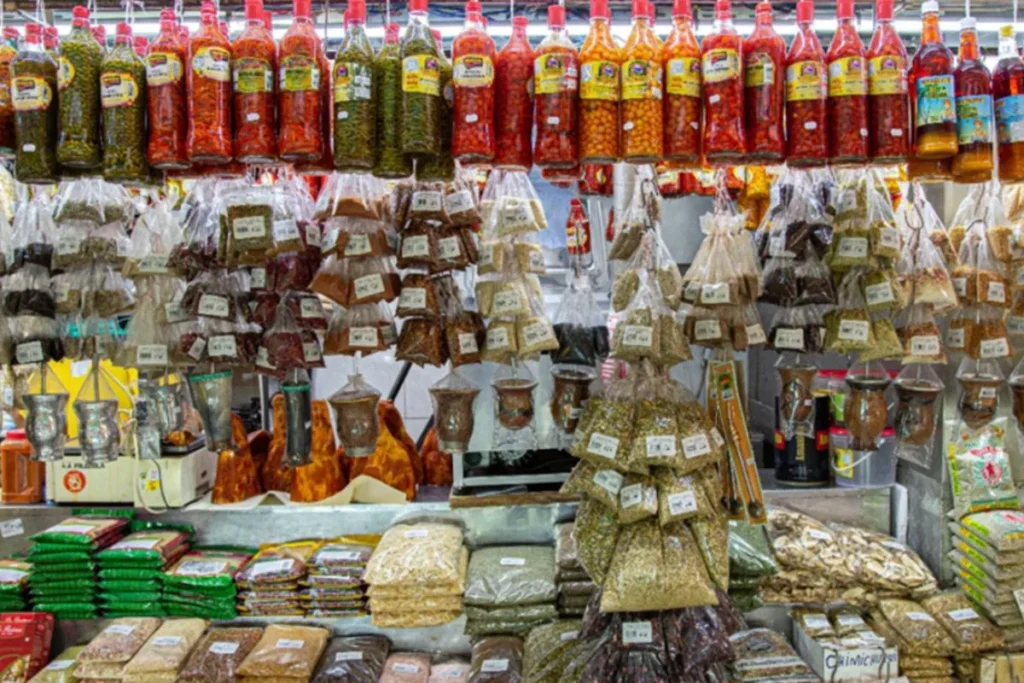
When traveling through Brazil, exploring municipal and traditional markets is one of the best ways for travelers to experience the country’s rich culture. These hubs are full of life, flavors, and local traditions, offering everything from fresh regional ingredients to handmade crafts and authentic souvenirs.
Whether you want to eat like a local or find unique gifts, Brazil’s local markets are must-visit destinations for an unforgettable cultural experience. This guide introduces you to the most iconic municipal markets across Brazil, from the heart of São Paulo to the gateway of the Amazon.
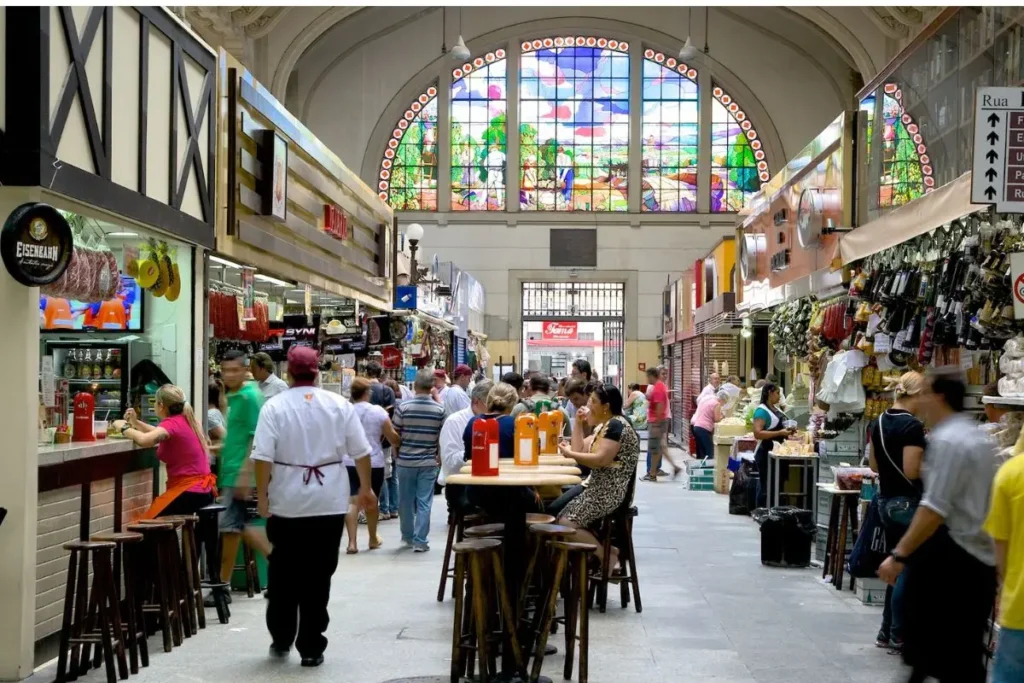
Table of Contents
ToggleMercado Municipal de São Paulo: The Famous Mercadão
Located in downtown São Paulo, this famous market, affectionately known as the “Mercadão,” is a culinary hotspot and an architectural gem. Opened in 1933, the market’s stunning stained-glass windows and high ceilings create a cathedral-like atmosphere for food enthusiasts.
Why Visit São Paulo’s Mercado Municipal?
The Mercadão is world-famous for its abundance. You can find everything from Mediterranean spices to rare cheeses from the Brazilian countryside.
The Mortadella Sandwich
A legendary, oversized sandwich with nearly half a pound of meat. It’s the city’s most famous snack and a rite of passage for foodies.
Tropical Fruits
Sample exotic flavors like cupuaçu, siriguela, and high-quality açaí. Vendors often offer free samples to tourists.
Travel Planning:
If you are planning to head south after exploring São Paulo, make sure to check out our 5-Day Rio de Janeiro Itinerary: What Not to Miss.
Belo Horizonte Municipal Market – The Flavor of Minas Gerais
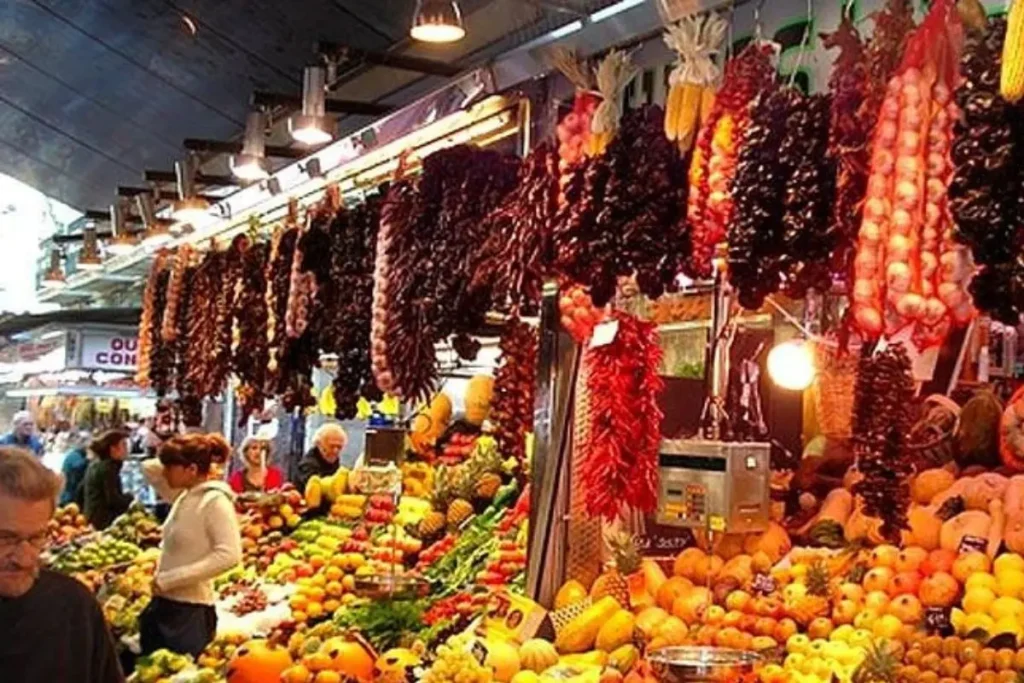
The Mercado Central in Belo Horizonte is consistently voted one of the best in the world. It is the perfect place to experience the world-renowned hospitality of Minas Gerais, a state famous for its comfort food and artisanal production.
What to Try at This Municipal Market in Belo Horizonte
The atmosphere here is more “neighborhood-like” than in São Paulo. Locals meet at the small counters for a cold beer and a snack.
Pão de Queijo:
Freshly baked, warm, and gooey cheese bread. Minas Gerais is the birthplace of this delicacy.Artisanal Products:
You can also find beautiful jewelry, woodwork, and ceramics. For more on this region, explore our guide on Rural Tourism in Minas Gerais: A Journey into Brazil’s Heartland.
Belém: Ver-o-Peso Market
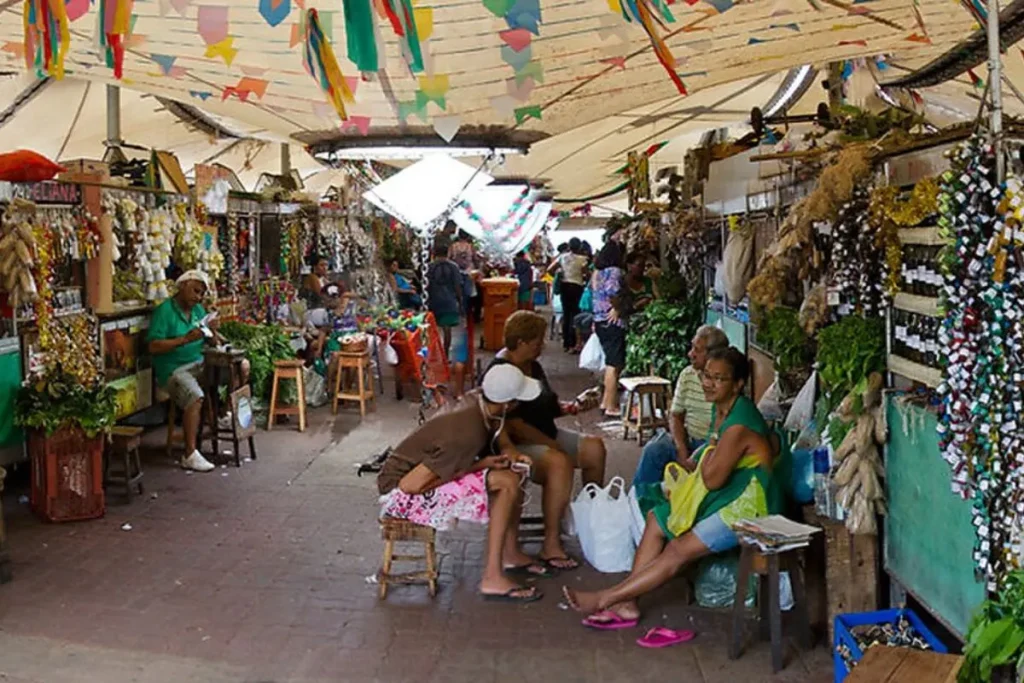
Located in Belém, Ver-o-Peso is much more than a market; it’s a living monument of the Amazon and the largest open-air market in South America.
The Fish Market and Açaí Tradition
Watch the arrival of fresh açaí berries at dawn and try the local fish “Piraíba” at the riverside stalls. This is the most authentic way to experience the local riverside culture.
Amazonian Herbs and Natural Remedies
It’s the best place to find medicinal herbs, exotic oils, and rare local ingredients that define the Amazonian spirit. The “cheirosas” (herb vendors) offer traditional infusions for health and good luck.
- Plan Your Visit: Check the Ver-o-Peso reviews on TripAdvisor to find the best local guides and the ideal times to visit the docks.
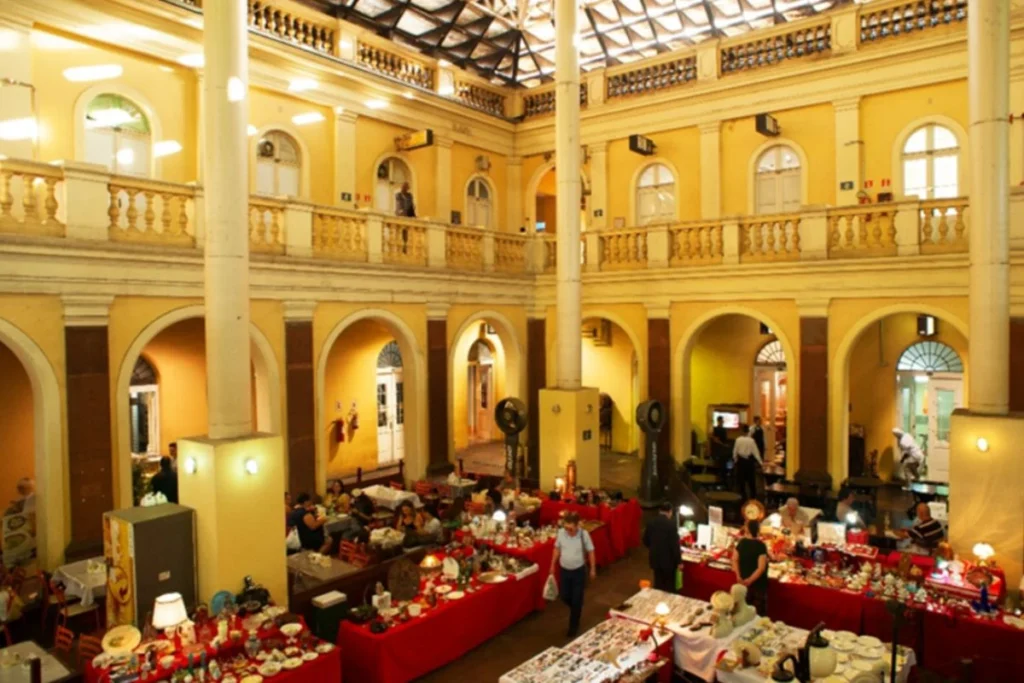
Porto Alegre’s Public Market – Southern Brazilian Traditions
In the South, the Porto Alegre Public Market is a blend of history and Gaúcho culture. Having survived several floods and fires, this resilient market is the best place to find high-quality leather goods and the specific tools needed for the local tea culture.
Highlights of This Southern Brazilian Market
Chimarrão:
Buy your own cuia (gourd) and bomba (straw) to enjoy the traditional herbal mate tea.
Regional Meats:
Discover the cuts that make Brazilian barbecue (churrasco) world-famous.- Planning a trip to the mountains nearby? Don’t miss the Gramado and Canela Travel Guide.
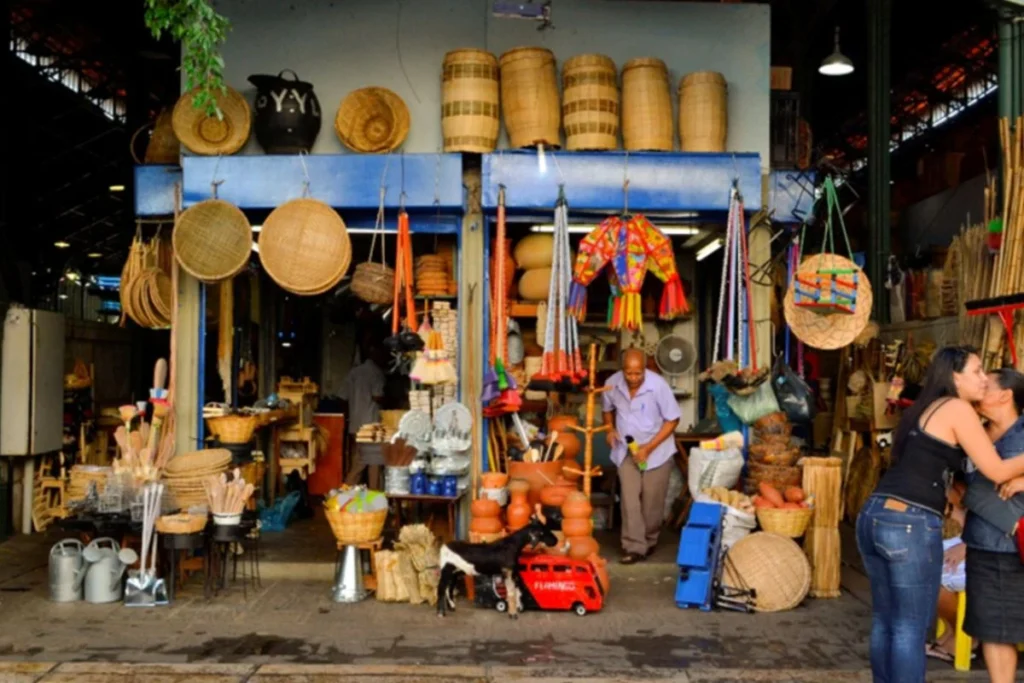
Recife: São José Market
One of the oldest iron structures in Brazil, the São José Market in Recife is the vibrant heart of the Northeast, reflecting the colorful and diverse culture of Pernambuco.
Northeastern Handicrafts
Famous for its artisanal crafts and traditional “Renda Renascença” (Renaissance lace), it’s a colorful display of local talent and centuries-old techniques. To understand more about the local cuisine, read our article on Traditional Brazilian Dishes You Must Try.
Regional Art and Souvenirs
This is the perfect spot to find authentic handmade jewelry, colorful clay figurines, and northeastern woodcarvings to take home as a memory of your trip.
- Travel Tip: Look for the “Xilogravuras” (woodblock prints), which are a traditional art form of the Brazilian Northeast and make for unique souvenirs.
Practical Tips for Visiting Brazilian Markets
To make the most of your visit, keep these professional travel tips in mind:
- Arrive Early: The best produce and the most authentic local “vibe” happen between 7:00 AM and 10:00 AM.
- Cash is Helpful: While many stalls accept credit cards, smaller vendors often prefer cash (Brazilian Reais), especially for better bargaining.
- Safety First: Like any crowded tourist spot, keep your belongings secure, avoid wearing flashy jewelry, and be mindful of your surroundings.
- Try Something New: Don’t hesitate to sample unfamiliar foods—Brazilian biodiversity is vast, and the flavors often surprise!
FAQ: Frequently Asked Questions about Brazilian Markets
Are municipal markets in Brazil safe for tourists?
Yes, most municipal markets are safe, especially during daylight hours. However, they are often located in busy downtown areas. We recommend staying alert, keeping your bag in front of you, and avoiding using your phone in crowded aisles.
Can I find vegetarian options in these markets?
Absolutely! While Brazil is known for its meats, these markets are the best places to find fresh tropical fruits, various nuts (like Brazil nuts and cashews), artisanal breads, and a wide variety of cheeses.
Do vendors speak English?
In major markets like São Paulo’s Mercadão, you will find some English-speaking vendors. In more traditional spots like Ver-o-Peso, English is rare. Learning basic Portuguese phrases or using a translation app will greatly enhance your experience.
Final Thoughts: Experience the Best of Brazil
Visiting Brazil’s municipal markets is more than just a shopping trip—it’s an immersive cultural journey. From the bold spices of the Northeast to the gaúcho traditions of the South, these markets capture the essence of Brazilian hospitality. Each bite of food and each handmade craft tells a story of the people who make this country so unique.