
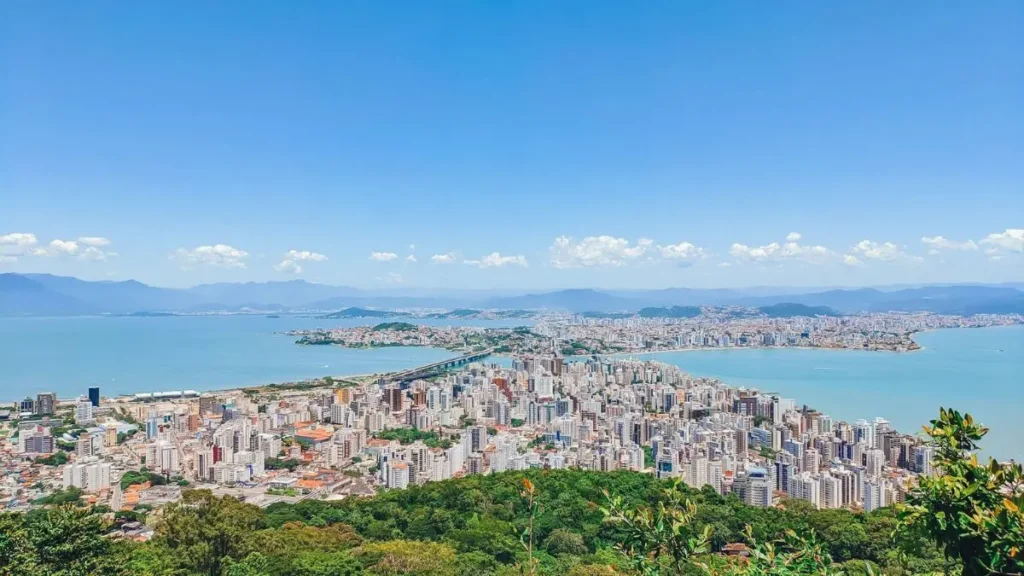
Where surf breaks, ancient petroglyphs, and Azorean witchcraft exist within the same afternoon.
The salt is already in the air before you step off the plane. This Florianópolis travel guide starts where the island itself starts: with a feeling, not a fact — because no checklist prepares you for what actually happens when you arrive.
Something shifts the moment you arrive: the pace, the light, the way people seem unhurried even in the middle of the day. Within hours, you will understand why Brazilians call this place Ilha da Magia. It is not a marketing slogan. It is something the island makes you feel before you have time to question it.
Florianópolis Travel Guide: An Island That Refuses to Be Just One Thing
What makes Florianópolis singular is a tension that never quite resolves: the island is simultaneously one of Brazil’s most sophisticated urban destinations and one of its most untouched natural landscapes.
Forty-two beaches, an Atlantic rainforest that runs down to the water’s edge, lagoons wide enough to sail across. Minutes away: a historic center with Azorean architecture, a covered market trading since 1851, and a bohemian district where old facades frame entirely new ideas.
Very few places in the world let you choose between a surf break and a gallery opening on the same afternoon. Florianópolis does not ask you to choose at all. Understanding what makes this island different means starting at the coast, then going further inland than most travelers ever do.
Best Beaches in Florianópolis — and What Each One Actually Feels Like
No two of the best beaches in Florianópolis feel alike.
- Praia Mole — social, surf, sunset
- Joaquina —serious waves, spectacular dunes, natural rock pool
- Jurerê Internacional — sophisticated infrastructure, beach clubs, cosmopolitan crowd
- Lagoinha do Leste — 90-min forest hike, no infrastructure — worth every step
- Costão do Santinho — 5,000-year-old petroglyph carved into the rock on the left side of the beach
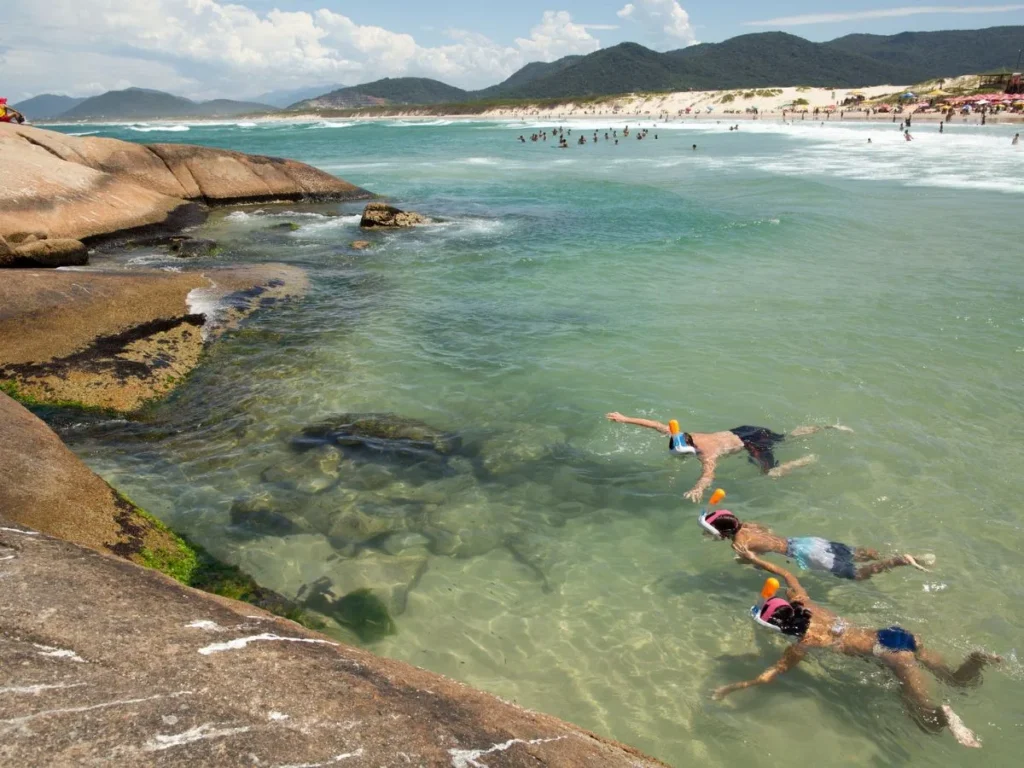
Joaquina Beach, a few kilometers south, is where the waves get serious. International surf competitions have been held here, and the dune fields behind the shoreline are dramatic enough to justify the visit even if you never touch the water.
For something entirely different, Lagoinha do Leste requires a forest hike to reach and rewards you with the kind of solitude that feels increasingly rare. No road leads there. That is the point. For a broader look at the region’s coastline, the Santa Catarina beaches guide covers the full stretch beyond the island.
The best months to visit Florianópolis and be on the water are December through February, when the Brazilian summer arrives and the Atlantic cooperates. If you prefer empty beaches and cooler air, the shoulder season between April and June delivers both.
The mistake most people make is trying to cover them all in a single day. At Costão do Santinho, look for the isolated rock formation on the left side of the beach. The human figure carved into that stone, a petroglyph from 5,000 years ago, is why the beach is named Little Saint. You can walk right up to it. But the coast is only where Florianópolis begins.
Things to Do in Florianópolis Beyond the Shore
The beaches are only the opening chapter. Once you step back from the shoreline, a different version of the island reveals itself, one that tourism rarely puts on the cover.
Atlantic Forest and Lagoa da Conceição
The island’s interior holds what many visitors walk straight past: a significant stretch of Atlantic rainforest that has survived largely intact at sea level, part of an ecosystem that once ran continuously along the entire Brazilian coast. Few places in Florianópolis, Brazil reward slow travel more than this.
For those looking to go deeper into this kind of experience, Brazil offers some of the most compelling ecotourism routes on the continent, and Florianópolis is a natural entry point.
While walking the trails, you may notice the forest has gone quiet around you — then realize it hasn’t. Three hundred species live here, and the sounds have simply become something else. The Blue Manakin, rare and almost impossibly blue against the green, is already there if you know to look up. Most visitors on this stretch never do.
Step out of the forest and the light changes. So does the landscape.
Lagoa da Conceição anchors the island’s center. It is a saltwater lagoon where the light runs flat and silver in the early morning and turns copper by late afternoon.
Rent a bicycle and ride the perimeter. The distance is manageable, the views change constantly, and you will understand why the people who live here tend to stay.
The Trails: What Most Visitors Never Find
This is the side of things to do in Florianópolis that almost no English-language travel guide covers with any depth, and the part that tends to surprise visitors most.
The island has a network of Atlantic Forest trails that work as destinations in their own right, not simply as access routes to beaches.
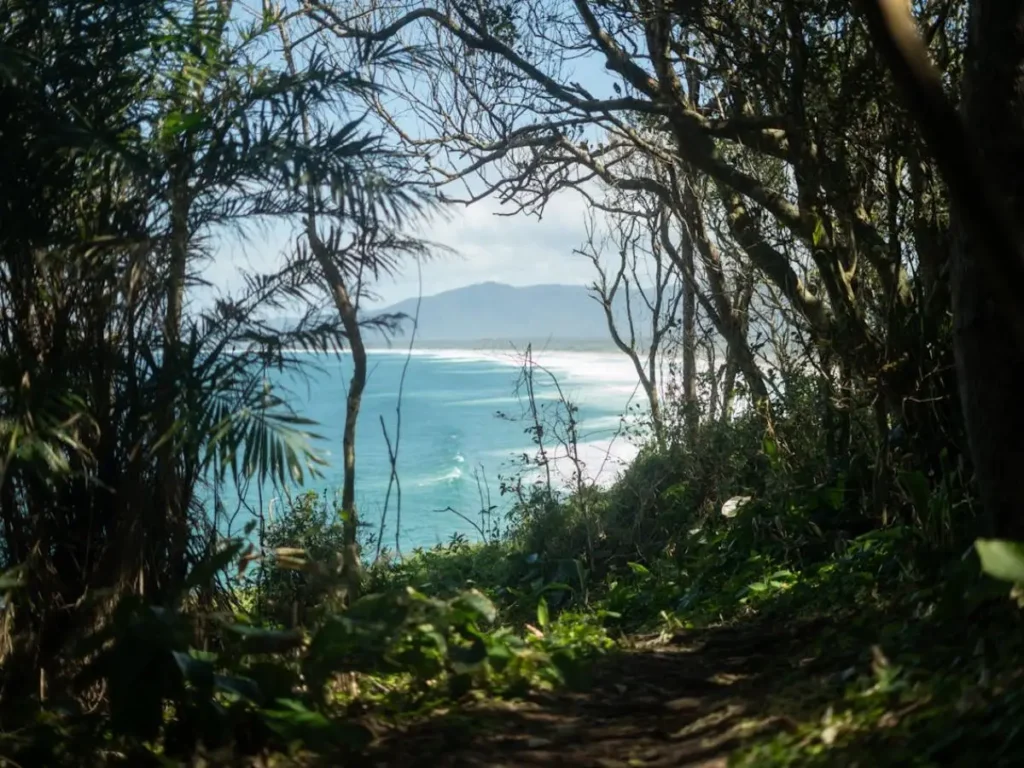
The Lagoinha do Leste trail, departing from Pântano do Sul, runs almost entirely through dense native forest before opening onto one of the most genuinely remote beaches in southern Brazil. The hike takes around ninety minutes each way. There are no vendors, no infrastructure, no road.
Those planning ahead can find trail details and reviews on AllTrails, which lists this route among the highest rated on the island.
What waits at the end is a long arc of sand enclosed by cliffs, with waves that have crossed the entire Atlantic to arrive there.
The Costa da Lagoa trail offers a different kind of reward. It follows the western bank of Lagoa da Conceição for seven kilometers through Atlantic Forest, passing fishing communities that predate modern Florianópolis and ending at a waterfall with a natural pool.
The trail is flat, well-marked, and almost unknown to visitors staying near the beaches. At one specific point along the route, the canopy opens and both bodies of water become visible at once: ocean on one side, lagoon on the other, green ridgeline between them.
It does not photograph well. That is exactly what makes it worth seeing in person. When you’re ready to trade the forest for something different, the island’s urban side is waiting — and it runs deeper than most guidebooks suggest.
Florianópolis Food, Culture, and the Urban Side Most Visitors Miss
The island’s urban identity runs deeper than many realize, and it holds its own against the natural landscape surrounding it.
Centro Histórico and the Market
The historic center is compact enough to walk in an afternoon and layered enough to fill a full day if you slow down. The Catedral Metropolitana anchors the main square, while the public market a few blocks away has been the social center of the city for over a century and a half.
The market is not a tourist attraction that happens to sell food. It is where the city actually eats, argues, and meets. That distinction matters.
The local cuisine is built around the sea. The sequência de camarão, shrimp served course after course in a format designed by fishing communities who ate what they caught, belongs to a tradition that never needed reinventing because it was right from the start.
For those curious about the broader landscape of Brazilian food, traditional Brazilian dishes vary dramatically from region to region and are worth exploring before you arrive. Once the sun sets, however, the city shifts gear entirely.
Centro Leste: Florianópolis After Dark
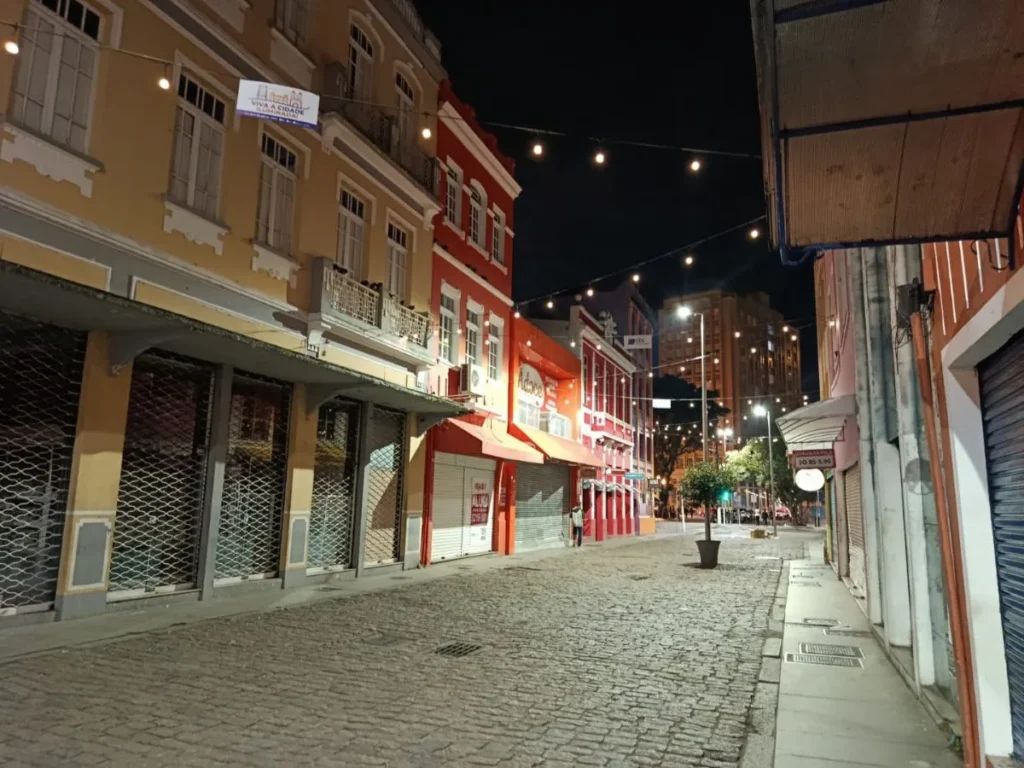
By night, the bohemian district known as Centro Leste becomes the most eclectic square kilometer on the island.
Preserved colonial buildings carry their age well against a backdrop of live music, open doors, and a crowd that mixes artists, surfers, students, and visitors without any apparent effort.
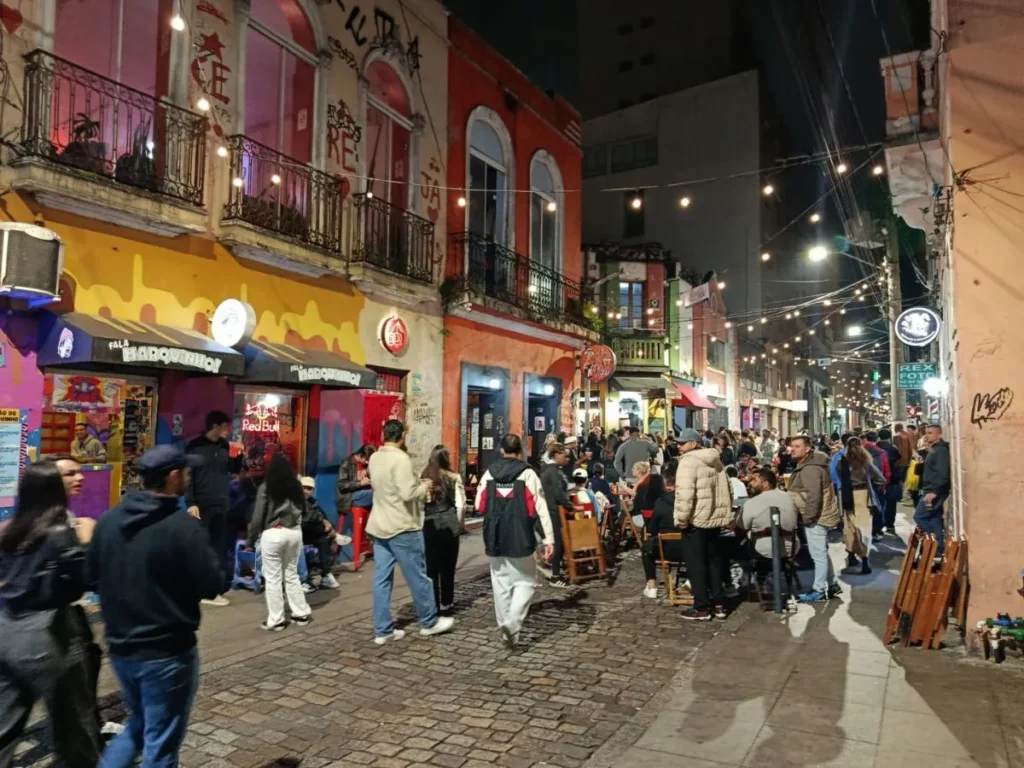
The contrast between the historic setting and the energy inside it is one of those things photographs consistently fail to capture.
Visit Florianópolis: Practical Tips and the Legend Behind the Name
Getting Around
This is the one area where the island’s reputation for ease breaks down. The public bus network covers the main routes but not the timing most people actually need.
Driving during high season means competing for parking with the rest of southern Brazil. Ride-sharing apps operate reliably across the island and remove the navigation problem entirely. Factor this into your budget from the start. With logistics out of the way, the island has something stranger to offer.
The Legend Behind the Name
The title Ilha da Magia is older than tourism. Local oral tradition holds that the unusual rock formations along the island’s southern shores are witches turned to stone, part of a broader culture of Azorean witchcraft beliefs carried by the settlers who arrived in the eighteenth century.
The belief system was documented by anthropologists in the twentieth century and is considered a genuine piece of the island’s cultural heritage.
If you reach the southern coast, look at the rock formations at the water’s edge. Whether you find the tradition credible or not, you will find yourself looking more carefully than you expected. Knowing when to arrive makes all the difference in how much of this you actually get to see.
Best Time to Go
December through March brings the warmest weather and the highest concentration of visitors. The energy is real, but so are the crowds and the prices that reflect the demand.
April through June offers a quieter island with reliable weather and a more local atmosphere. It is the version of Florianópolis that residents actually live in, and one of the more honest ways to understand it. Those extending their trip often pair it with Gramado and Canela, mountain towns in the Serra Gaúcha that draw visitors year-round.
Florianópolis does not reveal itself all at once. The island gives you the beach first, then the city, then the history underneath the city — and somewhere along the way you start planning when to come back.
Locals call it Floripa, and they say the name with the ease of people who know something worth protecting.