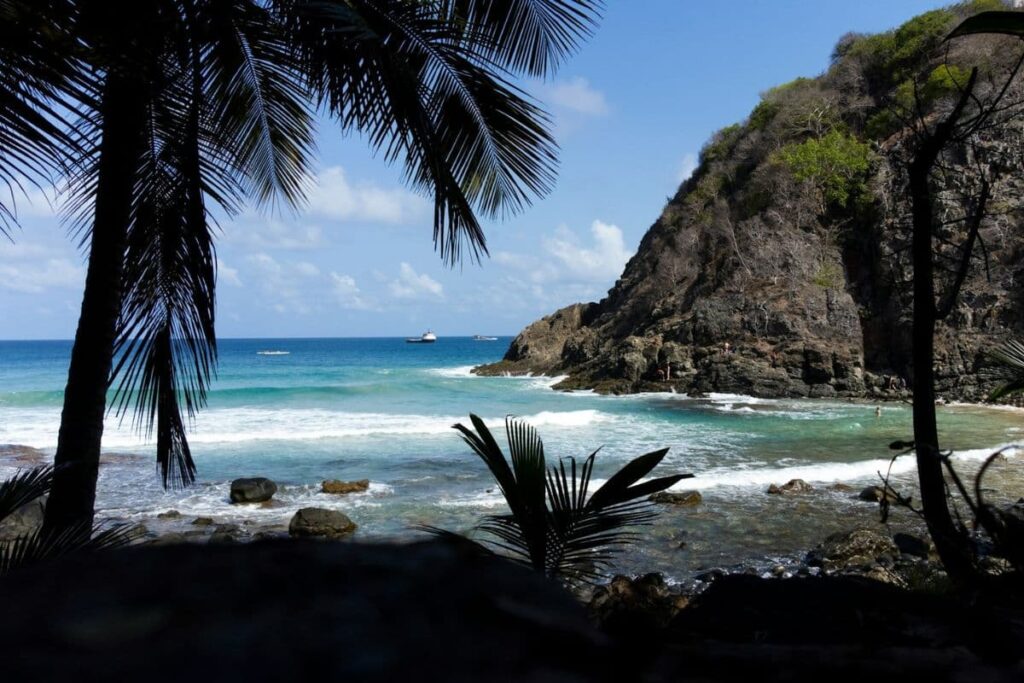
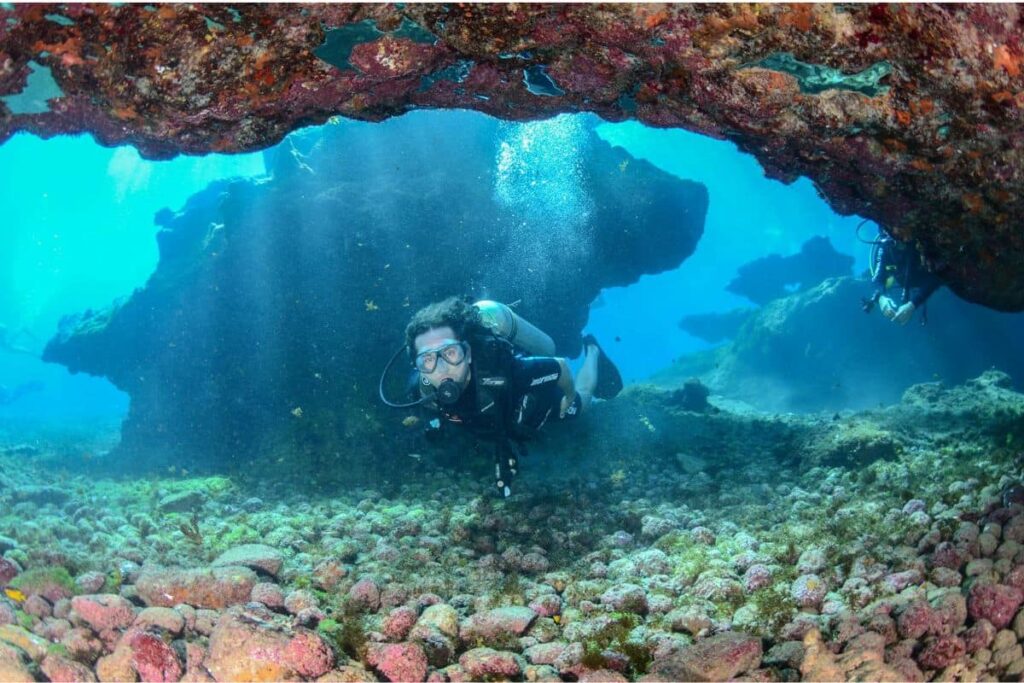

This Fernando de Noronha travel guide is your essential resource for discovering everything you need to know before visiting this breathtaking Brazilian archipelago. Famous for its untouched nature, crystal-clear waters, and incredible marine life, Fernando de Noronha is a dream destination for eco-tourists. In fact, as a UNESCO World Heritage Site, the island maintains strict preservation rules to ensure its paradise remains intact.
Table of Contents
ToggleThe Fernando de Noronha travel guide experience is hard to match anywhere else in the world. Its combination of environmental preservation and jaw-dropping landscapes makes it a rare gem. Furthermore, it is consistently ranked among The Best Ecotourism Destinations in Brazil due to its sustainable tourism model and limited visitor numbers.
Key reasons to visit include:
This is the most popular time to follow our Fernando de Noronha travel guide tips. Sunny weather and calm seas create excellent conditions for water activities. However, this is also the high season, so expect higher prices. Consequently, if you are planning a trip during this window, consider checking how it compares to other 10 places to visit in Brazil this summer.
While you might catch some rain showers, the island becomes lush and green during this period. Additionally, prices are generally lower and the beaches are much quieter. Specifically, for surfers, this is the best time as the swells create world-class waves.
The only way to reach the island is by plane departing from Recife or Natal. In addition, airlines such as Azul and Gol operate daily flights. Therefore, booking at least 2–3 months in advance is essential to secure reasonable fares.
To maintain its pristine condition, this Fernando de Noronha travel guide reminds you that visitors must pay two main fees:
Accommodations range from simple guesthouses to high-end eco-resorts. Moreover, for those interested in exploring more of the coastline, our guide to the Best Beaches in Northeast Brazil offers excellent alternatives to complement your itinerary.
Top Activities:
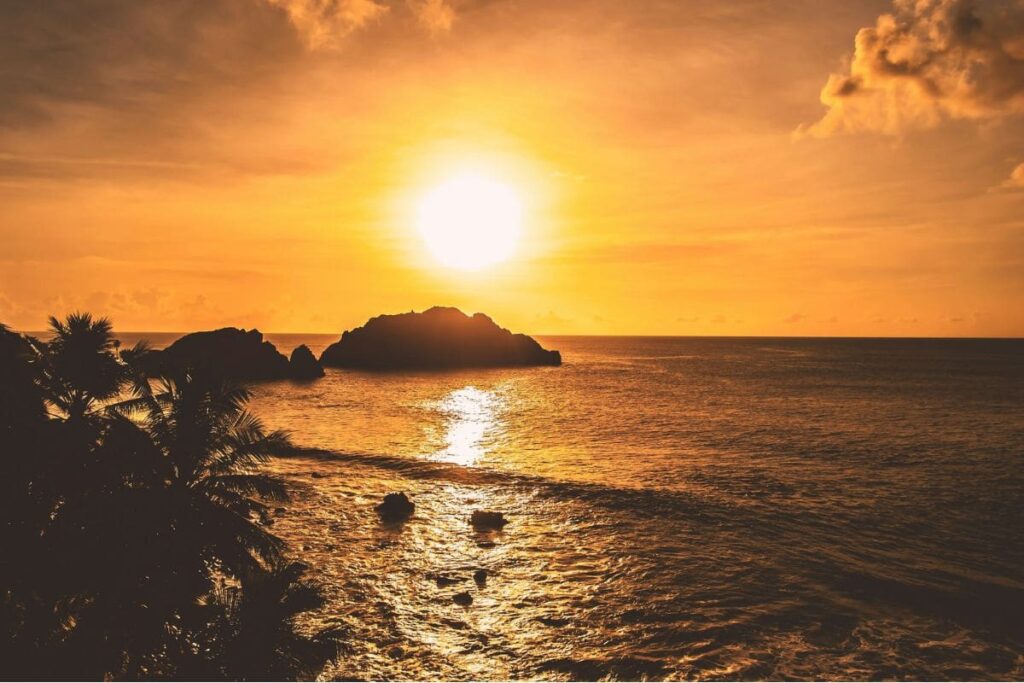
Eating in Fernando de Noronha is a unique experience. You must try the “Tubalhau”, a famous local appetizer made with shark meat (cação) and flour, served in many traditional guesthouses. For a more sophisticated dinner, the Vila dos Remédios and Vila do Boldró areas are the main hubs, offering everything from fresh grilled octopus to the traditional Brazilian Moqueca. Don’t forget to visit the “Mergulhão” restaurant for one of the best sunset views on the island.
Transportation in Noronha is straightforward but unique. The island is crossed by the BR-363, the second smallest federal highway in Brazil. To explore the archipelago, you have three main options:
Buggy Rental: This is the most flexible way to explore hidden beaches at your own pace, though it can be pricey. You can rent one for total freedom.
Public Bus: There is a reliable bus line that runs back and forth along the main road (BR-363), costing only a few Reais. It is a great budget-friendly option.
Walking: Many beaches in the Mar de Dentro area are connected by trails, making it easy to hop from one to another if you are staying in the central village.
Connectivity: Enjoy a digital detox, as Wi-Fi is notoriously slow
In summary, this Fernando de Noronha travel guide shows that nature always comes first in this archipelago. By planning ahead and choosing eco-friendly activities, you help preserve this delicate paradise. Therefore, start preparing for your unforgettable island escape today!