
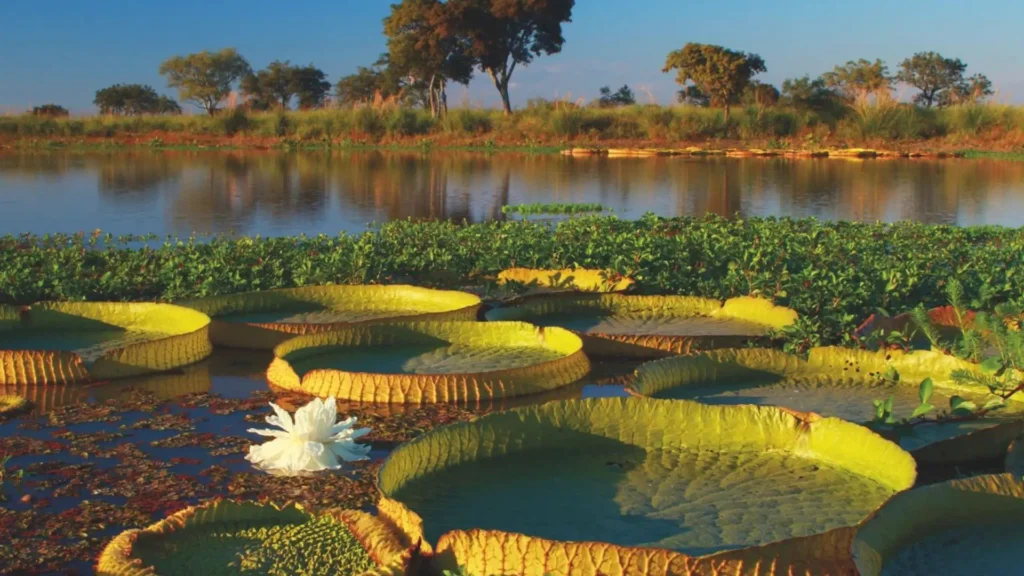
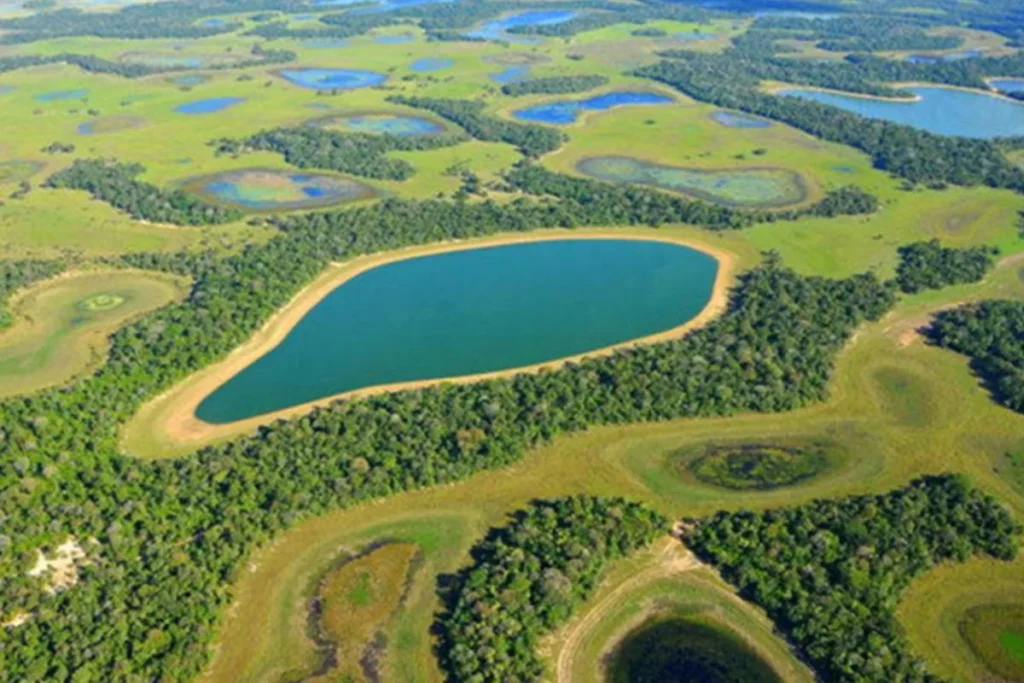
Brazilian Pantanal wildlife observation is one of the most rewarding nature experiences in the world. As the planet’s largest tropical wetland, the Pantanal stretches across the states of Mato Grosso and Mato Grosso do Sul. Unlike the Amazon Rainforest, where dense foliage often hides animals, the Pantanal’s open landscapes make it easier to spot wildlife like jaguars, capybaras, and macaws in their natural habitats.
This guide will help you prepare for a memorable journey, showing when to go, what to bring, and how to travel responsibly in this unique ecosystem. To fully enjoy your trip, consider combining this adventure with our São Paulo travel guide to see the best of Brazil’s urban and wild sides.
Table of Contents
ToggleBest Time to Visit the Pantanal
Dry Season: Best Time to See Jaguars
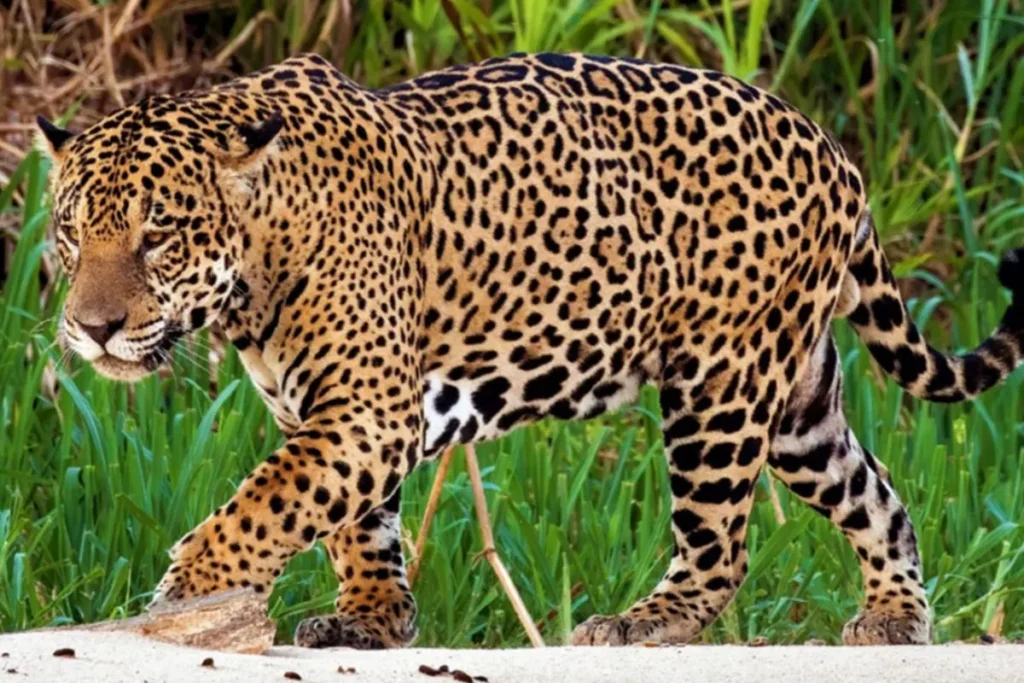
During the dry season, from April to October, wildlife gathers near shrinking water sources. This is the ideal time to visit if your goal is to see jaguars, especially in the northern Pantanal near the Cuiabá River. Jaguars often rest on riverbanks, and boat safaris offer excellent chances to see them in action.
Wet Season: Top Birdwatching Destinations
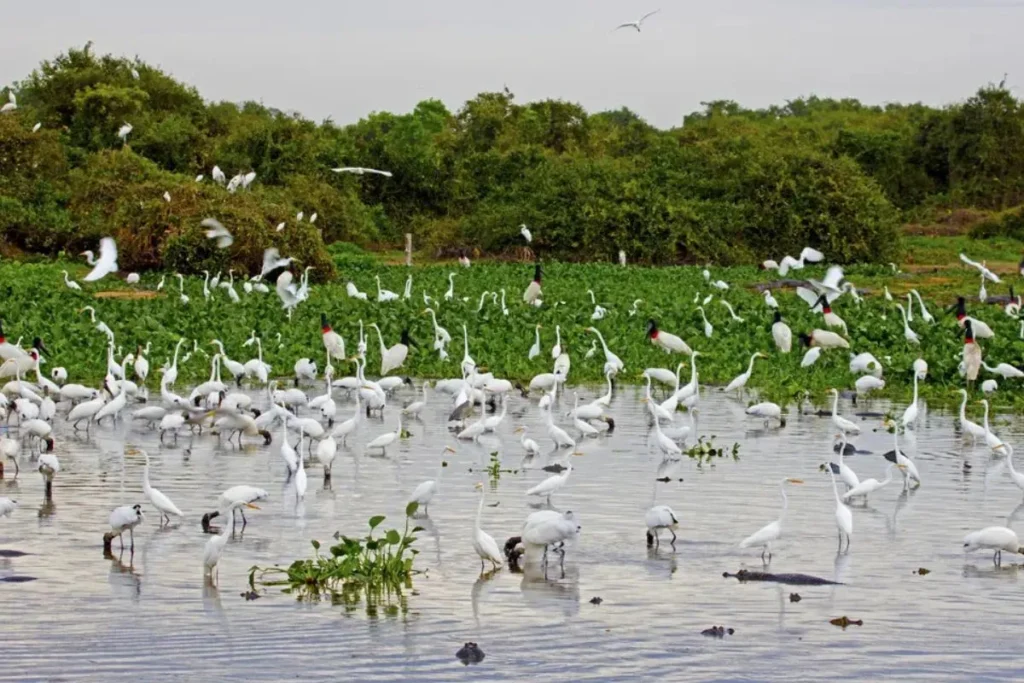
Heavy rains fall from November to March, transforming fields into vibrant lagoons. While jaguar sightings become rare, the wet season is a haven for birdwatchers. Thousands of migratory birds arrive, adding to the Pantanal’s list of over 650 avian species.
- Pro tip: Visit during the transitional months of May or October to enjoy good wildlife visibility and lush landscapes.
Essential Gear for Wildlife Observation
A successful wildlife tour depends on preparation. Bringing the right gear improves your safety and increases your chances of seeing rare animals:
- Binoculars and a zoom camera: Essential for spotting jaguars or toucans from a distance.
- Neutral, breathable clothing: Earth tones help you blend into nature.
- Insect repellent and sunscreen: Mosquitoes can be relentless near water.
- Waterproof footwear: Trails may be muddy, especially in the rainy season.
Top Species in the Brazilian Pantanal
Jaguars: The Top Predator
The jaguar is the Pantanal’s most iconic resident, weighing up to 100 kg. Boat safaris from Porto Jofre are the best way to spot them, especially between July and September.
The Pantanal is a natural sanctuary unlike any other. It supports one of the densest concentrations of wildlife in the world. To learn more about conservation, visit the Panthera Jaguar Program.
Capybaras and Caimans
Giant Otters and Tapirs Giant otters are endangered, playful, and vocal animals. You can often see them in small family groups near slow rivers. Their size and behavior make them a favorite among visitors. Meanwhile, the shy and solitary Brazilian tapir may occasionally make an appearance during early morning or dusk
Giant Otters and Tapirs
Giant Otters: These endangered animals are highly social, playful, and very vocal. Often referred to as “river wolves,” they live in family groups and can be seen hunting or grooming along the riverbanks. Their active nature makes them one of the most exciting species to observe during a boat safari in the northern or southern Pantanal.
Brazilian Tapirs: As South America’s largest land mammal, the tapir is a more elusive and solitary creature. They are excellent swimmers and often retreat to the water when they feel threatened. To see a tapir, you need patience and a quiet approach, usually during the “golden hours” of dawn or dusk when they are most active near forest edges and salt licks.
Exotic Birds
The Pantanal is a birdwatcher’s dream. Hyacinth macaws, jabirus, toucans, and kingfishers are just a few of the brightly colored species you may encounter. The open terrain makes birdwatching particularly rewarding — binoculars are a must.
How to Visit the Brazilian Pantanal
Gateways and Logistics
The Pantanal has two main gateways: Cuiabá (north), ideal for jaguar safaris, and Campo Grande (south), great for birdwatching. From either city, you can take private transfers to lodges located deep in the wetland.
Best Eco-Lodges for Wildlife
Choosing the right lodging is crucial, as proximity determines the wildlife you will see. We highly recommend you browse and book your Pantanal lodge through a trusted platform for the best prices and security. Staying at these lodges supports local conservation efforts.
Safety and Practical Advice
Respecting the Fragile Ecosystem
It’s vital to remember that this is a sensitive ecosystem. Travel with local guides, avoid plastic, and never feed the animals. Following eco-friendly tourism tips is essential for a sustainable visit.
.
Health Tips for Visitors
- Vaccinations: Yellow fever vaccination is strongly recommended for anyone traveling to the Brazilian interior. Check with your doctor at least 10 days before your trip.
- Hydration: Drink plenty of water and avoid untreated sources.
- Insurance: Always have travel insurance that covers remote areas.
Final Thoughts
The Brazilian Pantanal is a place of serenity and wonder, ideal for those seeking authentic experiences. Whether you’re a photographer or a bird lover, the adventure of a lifetime is waiting. For more nature inspiration, visit our guide on Brazil’s top ecotourism destinations.